


Water soldier infestation raises alarm for Lake Simcoe communities

DARRYL KNIGHT Local Journalism Initiative Reporter for The Standard
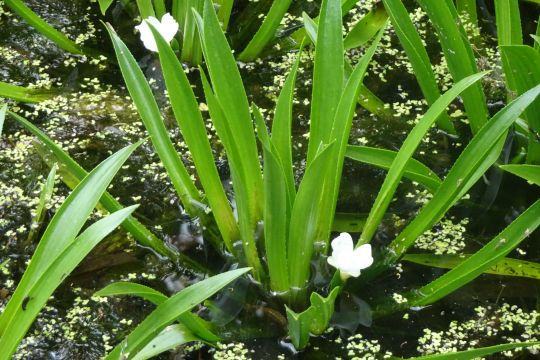
BROCK: An invasive aquatic plant, discovered in Lake Simcoe, is prompting calls for coordinated action from municipalities, conservation authorities and government agencies, as experts work to contain its spread.
Members of the Invasive Species Centre appeared before Brock Township council on May 25th, to provide an update on the growing presence of water soldier, an invasive perennial aquatic plant which was first reported in Lake Simcoe in 2024.
Colin Cassin, Executive Director of the Invasive Species Centre, and Katie Church, Aquatic Invasive Plant Coordinator, outlined the work being undertaken through the Lake Simcoe Water Soldier Working Group, a collaborative effort focused on monitoring, public education, and the development of management strategies for the invasive species.
“This is a new invasive plant for Lake Simcoe, and we have a window of opportunity to act before it becomes more widespread,” Ms. Church told Council.
Formal monitoring efforts, conducted throughout 2025, covered more than 5,000 hectares of Lake Simcoe and included over 3,000 monitoring points. While no water soldier plants were detected in the Holland River, approximately 450 hectares of the plant were identified in Cook’s Bay.
According to the delegation, water soldiers can have significant impacts on the lake's ecosystem and recreational uses. Dense mats of vegetation can create stagnant water conditions, which encourage algal growth and reduce native aquatic plant diversity.
The plant can also interfere with a wide range of recreational activities, including swimming, boating, angling, water skiing and waterfowl hunting. Its sharp, serrated leaves can make handling the plant difficult and potentially hazardous.
Mr. Cassin explained that the impacts extend beyond recreation. “Water soldier has the potential to affect shoreline property owners, municipal water intakes and agricultural operations which rely on water from the watershed,” he told councillors. “The longer it remains unchecked, the more challenging and costly management becomes.”
The working group warned that taking no action could allow the plant to spread, both within Lake Simcoe and to other waterbodies, increasing pressure on residents, businesses and municipalities and limiting future management options.
To address the issue, the group is seeking continued collaboration among local municipalities, provincial and federal agencies, conservation authorities and community organizations. Recommended actions include: participation in the Lake Simcoe Water Soldier Working Group, support for future management plans, and assistance with public communication and outreach efforts.
The Lake Simcoe Region Conservation Authority is also playing a key role by providing technical expertise, monitoring support and data collection.
Ms. Church emphasized that public awareness will be critical to preventing further spread.
“Boaters, anglers and shoreline residents all have a role to play,” she said. “Learning to identify water soldier and taking steps to clean equipment between waterbodies can help protect Lake Simcoe and other lakes from future infestations.”
Council received the presentation for information.
The Lake Simcoe Water Soldier Working Group continues to welcome new partners and participants as efforts to monitor and manage the invasive plant advance.


Comments